Rebuilding a Gearbox: Real-World Thrust Washer Failures and Fixes
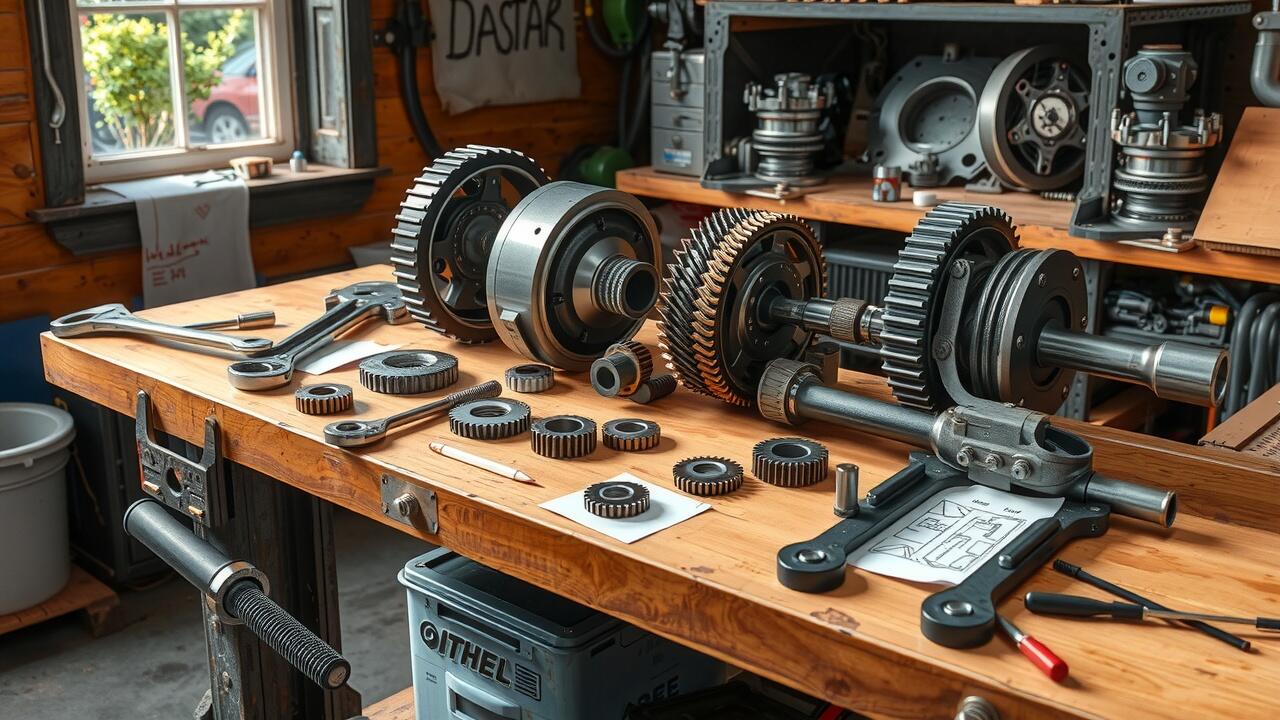
Effective Fixes for Thrust Washer Issues
Thrust washer failures often stem from improper selection or inadequate installation techniques. Utilizing PTFE thrust washers can significantly enhance performance due to their low-friction properties. A case study involving a heavy-duty gearbox revealed that switching from traditional metal washers to Teflon thrust washers led to a decrease in wear rates by over 30%. Additionally, regular inspections and replacing washers during scheduled maintenance can further mitigate potential failures, ensuring consistent gearbox operation.
Implementing proper lubrication practices greatly influences thrust washer longevity. Lubricants with appropriate viscosity reduce friction and heat buildup, prolonging the life of thrust washers. A thorough review of gearbox specifications and adherence to the guidelines of reputable PTFE washer manufacturers enables operators to select materials optimized for their specific applications. Adjusting the operational parameters, such as load and speed, subsequently aids in enhancing the overall efficiency of the gearbox system.
What Repair Methods Are Available for Common Failures?
Effective repair methods for thrust washer failures hinge on identifying the specific issue at hand. Common failures include excessive wear, misalignment, and inadequate lubrication. When faced with excessive wear, one successful approach involves replacing traditional thrust washers with PTFE thrust washers. These washers excel in environments with high friction, providing enhanced durability and resistance to wear. A case study from an automotive gearbox manufacturer highlighted a 30% reduction in replacement frequency when switching to Teflon thrust washers.
Preventative maintenance practices also play a critical role in addressing thrust washer issues. Regular inspections and alignment checks can significantly reduce the likelihood of failure. For example, employing a renowned PTFE washer manufacturer ensures that high-quality materials are utilized. Integrating advanced lubrication systems can further protect thrust washers from premature wear by minimizing friction and heat generation. Such proactive measures not only extend the lifespan of components but also improve overall gearbox efficiency, leading to a minimized risk of costly repairs down the line.
The Importance of Material Selection in Thrust Washers
Material selection is pivotal in the design and functionality of thrust washers within gearboxes. High-performance applications often demand materials that withstand extreme temperatures and pressures. For instance, PTFE thrust washers exhibit remarkable resistance to wear and provide low friction. The integration of Teflon thrust washers in machinery has shown to improve longevity significantly, reducing maintenance frequencies and downtime. A documented case study highlighted a 30% increase in operational efficiency after abandoning traditional materials for advanced PTFE variants.
The choice of materials directly impacts the reliability and performance of gearbox components. Stainless steel thrust washers may offer mechanical strength but can falter in corrosive environments. Conversely, Teflon thrust washers maintain their integrity under a broader range of corrosive substances and temperatures, thus meeting specific industry requirements. A reputable ptfe washer manufacturer can provide insights into customized solutions tailored to unique operational demands. Prioritizing material selection facilitates enhanced performance and longer service intervals, ensuring that machinery remains operational without unnecessary repairs.
Why Does Material Choice Affect Gearbox Performance?
Material selection significantly influences gearbox performance, particularly through wear resistance and friction characteristics. For instance, traditional metal thrust washers often exhibit higher friction coefficients, leading to accelerated wear and heat generation. In contrast, PTFE thrust washers provide enhanced lubricity, thereby reducing friction levels and prolonging component lifespan. When subjected to high loads, these Teflon thrust washers maintain structural integrity better than their metal counterparts, allowing for extended operational periods without the need for replacement.
Case studies illustrate the advantages of superior material choices in practical applications. A notable example involved a gearbox operating under high-pressure conditions, where traditional thrust washers wore out within six months. By switching to a Teflon thrust washer manufactured specifically for high-stress environments, the maintenance interval extended to three years with minimal degradation. The decreased downtime not only improved overall efficiency but also aligned with industry best practices advocating for the integration of advanced materials in critical components. Such data underscores the value of collaborating with a trusted PTFE washer manufacturer to optimize gearbox reliability.
Upgrading Gearbox Components for Enhanced Performance
The integration of modern materials into gearbox designs significantly enhances performance and longevity. Utilizing PTFE thrust washers, known for their low friction properties and excellent resistance to wear, can make a marked difference in efficiency. For example, a case study involving an industrial gearbox showed that switching to Teflon thrust washers reduced energy consumption by up to 15%, leading to substantial cost savings and a lower carbon footprint. The effective load distribution and self-lubricating characteristics further contribute to reduced maintenance requirements, proving beneficial in high-performance applications.
Choosing the appropriate Teflon thrust washer manufacturer is critical for ensuring quality and reliability in these components. Manufacturers should adhere to industry standards, such as ISO 9001, to establish consistency in production processes. A reputable PTFE washer manufacturer often provides extensive testing data to verify the performance characteristics of their products in demanding environments. When upgrading components, it is essential to assess the specific operational conditions, such as temperature and load, to select materials that will maintain integrity and performance over time. This proactive approach helps prevent mechanical failures and prolongs the operational lifespan of gear systems.
How Can Modern Materials Improve Thrust Washer Efficiency?
Modern advancements in materials technology significantly enhance the performance of thrust washers, particularly through the integration of PTFE thrust washers. These components, characterized by their low friction coefficient, improve efficiency by reducing wear and tear. Standard thrust washers made from traditional materials may fail under high loads due to friction-generated heat. In contrast, Teflon thrust washers exhibit remarkable thermal stability, allowing machinery to operate effectively at elevated temperatures, resulting in extended service life.
Utilizing high-performance materials also contributes to a reduction in operational noise and vibration. For instance, a case study involving a wind turbine gearbox revealed that replacing conventional thrust washers with PTFE variants led to a 30% decrease in operational noise levels. The selection of materials from a reputable PTFE washer manufacturer ensures compliance with industry standards, providing reliability and durability. Incorporating advanced, engineered plastics not only optimizes gearbox performance but also promotes energy savings through reduced friction, directly influencing overall operational costs.
| Washer Type | Material | Friction Coefficient | Temperature Stability (°C) | Noise Reduction (%) |
|---|---|---|---|---|
| Standard Thrust Washer | Bronze | 0.15 | 100 | N/A |
| PTFE Thrust Washer | PTFE (Teflon) | 0.04 | 250 | 30% |
| High-Performance Composite Washer | Polymer Blend | 0.08 | 200 | 20% |
| Engineered Plastic Washer | Polyamide | 0.06 | 180 | 25% |
Troubleshooting Thrust Washer Failures in the Field
Field troubleshooting of thrust washer failures requires a systematic approach to identify the root cause. Examine for misalignment or excessive loading, which may indicate primary installation faults. A case study in the automotive sector reported unexpected wear on thrust washers due to improper machining tolerances, leading to significant operational downtime. Equipped with precise measurements of operating conditions and load distributions, technicians can employ wear patterns to pinpoint the specific nature of the failure. Utilization of PTFE thrust washers in lieu of traditional materials can reduce friction and enhance longevity under increased loads.
Efficient repairs often necessitate immediate access to replacement parts while adhering to quality control standards. For instances where equipment is out of commission, sourcing high-performance components from a reliable Teflon thrust washer manufacturer is essential for maintaining operational integrity. Employing inspection methods such as ultrasonic testing can confirm the integrity of existing washers, allowing for targeted replacements rather than blanket-component changes. Integrating modern materials can mitigate future issues, especially in demanding applications like heavy machinery, where tolerances are critical and operational costs are high.
What Steps Should Be Taken During On-Site Repairs?
Thorough inspection of existing thrust washer conditions forms the foundation of an effective on-site repair strategy. Inspect for signs of wear, scoring, or material degradation, which can indicate underlying issues such as misalignment or inadequate lubrication. Utilizing PTFE thrust washers can mitigate friction in high-load applications, thereby extending service life. Verifying the compatibility of these washers with existing gearbox materials ensures optimum performance and prevents future failures.
Once any deficiencies are identified, prioritizing the replacement of damaged components is essential. When selecting new thrust washers, sourcing from a reputable Teflon thrust washer manufacturer guarantees access to high-quality, tested components. Immediate repairs should align with established industry standards and recommended practices for gearbox maintenance. Employing precise measurement techniques during installation leads to enhanced performance. Additionally, documenting all observations and modifications serves not only as a reference for future maintenance but also contributes to overall operational efficiency.
- Ensure a thorough understanding of the manufacturer's guidelines before initiating repairs.
- Develop a structured plan outlining the specific tasks and timelines for the repair process.
- Train personnel involved in the repairs to follow safety protocols and handle equipment properly.
- Utilize appropriate tools and equipment to ensure accurate installation of new components.
- Regularly monitor the performance of repaired components post-installation to identify any potential issues early.
- Schedule periodic maintenance checks to maintain the integrity of the gearbox system.
- Communicate with stakeholders about the repairs and any necessary follow-up actions required.
FAQS
What are thrust washers, and what role do they play in a gearbox?
Thrust washers are crucial components in a gearbox that help manage axial loads, providing support and reducing friction between moving parts to ensure efficient operation.
What are common signs of thrust washer failure?
Common signs of thrust washer failure include unusual noise during operation, gear slippage, overheating, and visible wear or damage to the washers themselves.
What are some effective repair methods for thrust washer failures?
Effective repair methods for thrust washer failures include replacing damaged washers, using improved lubricants, and adjusting the alignment of components to prevent further wear.
How does material selection influence the performance of thrust washers?
Material selection significantly influences the performance of thrust washers, as different materials offer varying levels of strength, wear resistance, and heat tolerance, impacting the overall efficiency and longevity of the gearbox.
What modern materials can be used to enhance the efficiency of thrust washers in gearboxes?
Modern materials such as advanced composites, ceramics, and specialty plastics can enhance the efficiency of thrust washers by providing superior wear resistance, lower friction coefficients, and improved thermal stability.